Full Range of Services in Water Damage Restoration: Key Facts to Understand
Water damage restoration involves a structured methodology to address various challenges posed by water-related issues. This approach commences with foundational inspections to establish how extensive and where the damage originated. After this step, prompt water removal serves a critical function in preventing further complications. However, the journey doesn't end there. Being aware of the next stages, which involve moisture elimination, disinfection, and building restoration proves critical for a thorough recovery. What happens next could greatly impact the restoration outcome.
How Preliminary Assessments Help You Manage Water Damage
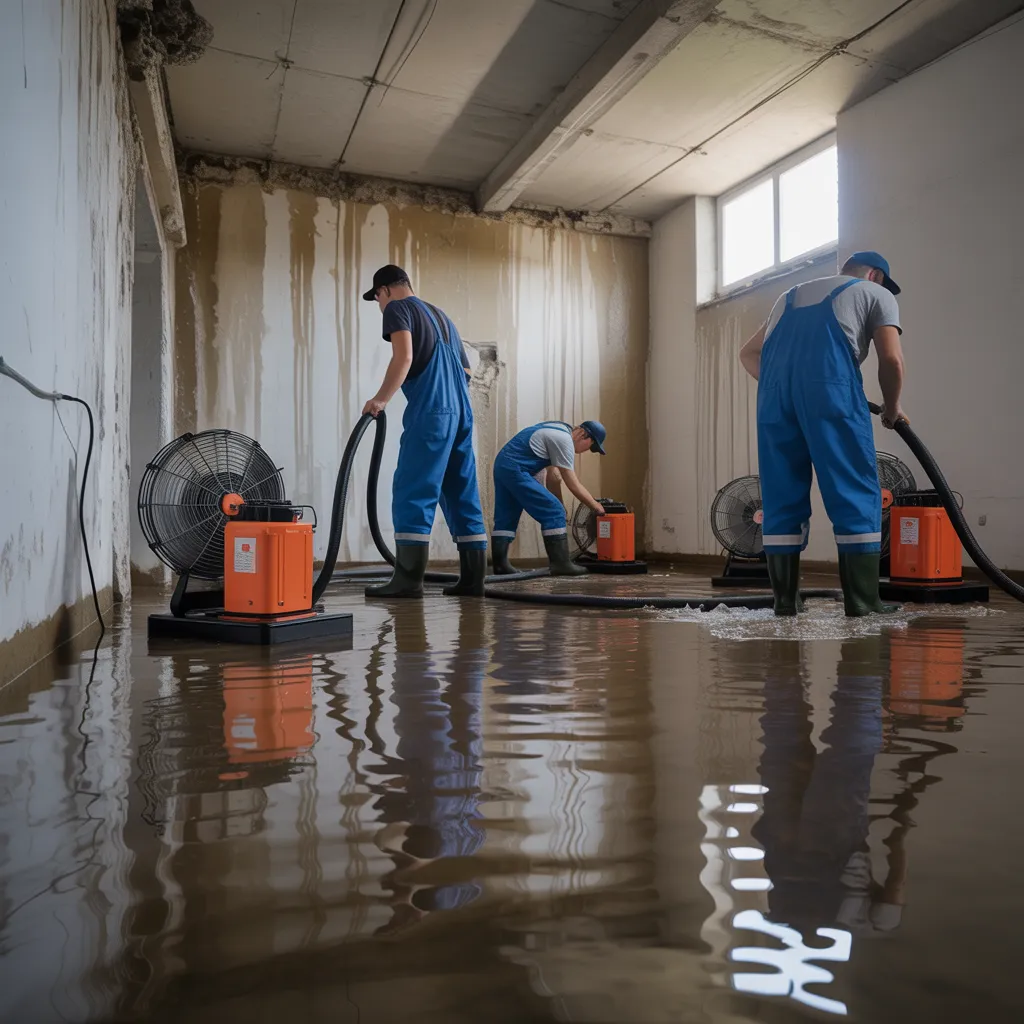
When a property experiences water damage, carrying out an initial assessment is vital for proper restoration. This process involves identifying the source of the water intrusion, evaluating the extent of damage, and pinpointing the areas impacted by the damage. A thorough assessment enables restoration professionals to categorize the water—whether clean, gray, or black—directing the appropriate response measures.
Moreover, the inspection helps in recognizing potential risks, such as mold growth or structural instability, which can hinder recovery efforts. By cataloging the discoveries, specialists can create a personalized restoration blueprint that addresses the most important areas first. This methodical approach not only minimizes further damage but also improves the use of resources. Ultimately, an precise initial inspection establishes the groundwork for a successful rehabilitation plan, confirming that all essential actions are performed to bring the property back to its pre-loss condition efficiently and effectively.
The Critical Role of Timely Water Extraction Techniques
Prompt water removal is essential in minimizing the impact of water damage. A prompt response can significantly minimize the risk of mold development and reduce structural damage to properties. Efficient approaches make certain that the restoration process starts promptly, protecting both the safety and stability of the property.
Swift Action Is Critical
Even though water damage may happen abruptly and without any indication, the importance of a prompt response cannot be emphasized enough. Swift action is critical to minimize additional damage and lower restoration expenses. When water infiltrates a structure, it can damage the structural soundness of walls, flooring, and electrical systems within a matter of hours. Prompt extraction methods, including the use of powerful pumps and commercial-grade dehumidifiers, are essential in limiting the scope of the damage. Experts specializing in water damage restoration recognize the importance of timely action, as postponements can result in more serious problems, including structural deterioration. A rapid response not only protects the property but also improves the success of follow-up restoration work, enabling a faster recovery for those impacted.
Preventing Mold Growth
Fast water extraction processes are essential in inhibiting mold proliferation following water damage. As water seeps into a property, it establishes perfect conditions for mold spores to multiply, particularly in warm and humid conditions. Prompt elimination of standing water lowers overall moisture content, thereby hindering mold proliferation. Professionals utilize specialized equipment, such as extraction pumps and humidity reducers, to expedite this process, ensuring that impacted spaces are thoroughly dried. Additionally, comprehensive assessment of obscured locations, like behind walls and beneath floors, assists in locating hidden dampness that could cause significant mold growth. By focusing on swift water removal and drying, property owners can greatly reduce the risk of mold, ultimately safeguarding both health and property integrity.
Limiting Structural Damage
When a property experiences water damage, the immediate extraction of water becomes vital to minimizing structural harm. Delays in this process can lead to severe consequences, including weakened foundations, distorted floors, and compromised walls. Moisture seeps into materials at a fast rate, and the longer it remains, the greater the risk of deterioration. Utilizing expert water extraction methods ensures efficient water removal, limiting the impact on both the building and its contents. Specialized tools, including pumps and dehumidifiers, improve the extraction process, enabling faster drying times. Furthermore, prompt action helps avoid secondary complications, such as the development of mold, which can hinder restoration. As a result, prompt water extraction is key to safeguarding the condition of the damaged structure.
What Follows Water Extraction: Efficient Drying Solutions?
Once water extraction is complete, the next essential step in the restoration process focuses on implementing comprehensive drying solutions. This step is vital for preventing further deterioration and supporting a thorough restoration. Skilled technicians employ commercial-grade dehumidifiers and air movers to lower moisture levels in the impacted areas. Dehumidifiers remove surplus humidity from the air, while air movers promote air circulation to accelerate the drying process.
Measuring dampness levels is crucial during this stage. Specialists commonly employ moisture measurement tools to verify all materials, including floors and walls, meet acceptable dryness standards. According to the severity of the water intrusion, specialized equipment like infrared imaging devices can be deployed to detect hidden moisture pockets.
In addition, appropriate ventilation is necessary; employing exhaust fans alongside open windows can optimize air movement. In summary, a thorough and methodical drying strategy ensures the structure stays sound and reduces the likelihood of secondary problems like mold development.
How Proper Cleaning and Sanitization Prevent Mold Growth After Water Damage
Effective cleaning and sanitization play an essential role in inhibiting mold proliferation in the wake of water damage. When moisture penetrates an area, it establishes a humid setting that encourages mold growth. To address this concern, comprehensive cleaning should come after water removal and drying procedures. This involves eliminating affected materials and surfaces, along with applying targeted cleaning solutions that prevent mold growth.
Sanitization additionally supports this process by eradicating remaining moisture and bacteria, which can lead to mold development. Sufficient airflow during the drying phase is critical, as still air can create conditions favorable for mold. Professionals often employ dehumidifiers and air movers to expedite drying and reduce humidity levels.
What to Expect When Fixing Structural Damage
Addressing structural damage is a critical aspect of water damage restoration after the cleaning and sanitization process. Property owners can anticipate a comprehensive evaluation of impacted areas, including walls, floors, and ceilings, to establish the severity of the damage. Experts will frequently employ advanced equipment to identify concealed moisture and assess the condition of structural components.
Upon completion of the assessment, the restoration team will present a comprehensive plan, which may include addressing damage to framing, drywall, and flooring. In some cases, it could be essential to remove and replace the damaged materials altogether. The timeline for these repairs can differ depending on the degree of the damage sustained and the specific materials requiring attention.
During the entire process open communication is crucial, as technicians will update homeowners about developments and any new discoveries. At the end of the day, the objective is to bring the structure back to its original form, providing safety and long-term stability.
Ways to Prevent Water Damage in the Future
Preventing future water damage requires proactive measures and regular maintenance. Homeowners are encouraged to periodically check their property for water leaks, paying close attention to roofs, gutters, and plumbing fixtures. Addressing small issues promptly can prevent larger problems down the line.
Implementing sump pumps and upkeeping drainage systems can help divert excess water away from the foundation. Furthermore, establishing appropriate grading around the residence will prevent moisture buildup near the home.
Consistently cleaning gutters and downspouts is essential for efficient water management. Additionally, investing in waterproofing materials for basement and crawl space areas can lower the potential for water damage.
Finally, measuring humidity levels within the home can help prevent the growth of mold, which commonly occurs alongside water damage. By adopting these strategies, property owners can significantly reduce the risk of future water-related issues, preserving their property and protecting their investment for years to come.
Selecting the Best Water Damage Restoration Service for Your Requirements
What steps can homeowners take to ensure they choose the best water damage restoration service? To begin, they should look into local companies, paying close attention to their reputation and customer feedback. A company that has earned favorable reviews and a proven history is better positioned to provide reliable results. Homeowners should also check for proper licensing and insurance, ensuring the company adheres to industry standards and protects them from liability.
Experience plays a critical role; companies specializing in various types of water damage are often better equipped to handle unique situations. In addition, property owners are encouraged to ask about the remediation procedure, including equipment used and estimated timelines.
Finally , securing a number of quotes can help homeowners understand the pricing and services available , enabling educated comparisons . By pursuing these strategies , homeowners are able to make a more assured decision , helping them find a restoration provider that fulfills their individual needs .
Common Questions and Answers
How Long Does the Entire Water Damage Restoration Process Take?
The detailed guide entire water damage restoration process usually spans between three to five days, depending on the extent of the damage and the specific conditions. No two situations are alike, impacting the length of the remediation process.
Will My Insurance Cover Water Damage Restoration Services?
Coverage for water damage restoration services differs depending on the policy. In most cases, standard homeowners' insurance policies may cover certain damages, though exclusions are common. Homeowners should carefully review their policy and speak with their insurer to understand the details.
What Are the Signs of Hidden Water Damage?
Indicators of concealed water damage consist of unexplained mold growth, water stains on walls or ceilings, musty odors, warped flooring, and increased humidity levels. Timely detection is vital to preventing greater structural harm and potential health concerns.
Can I Handle Water Damage Restoration Myself?
While certain minor water damage repairs can be managed on your own, major problems typically demand the skills of a professional. DIY efforts may overlook underlying problems, which could result in additional damage and higher expenses over time.
What Are the First Steps to Take Right After a Water Leak?
Immediately after a water leak is detected, one should stop the water source, unplug electrical devices, and clear away the excess water. Next, drying the area thoroughly and assessing the damage are critical for stopping further complications.